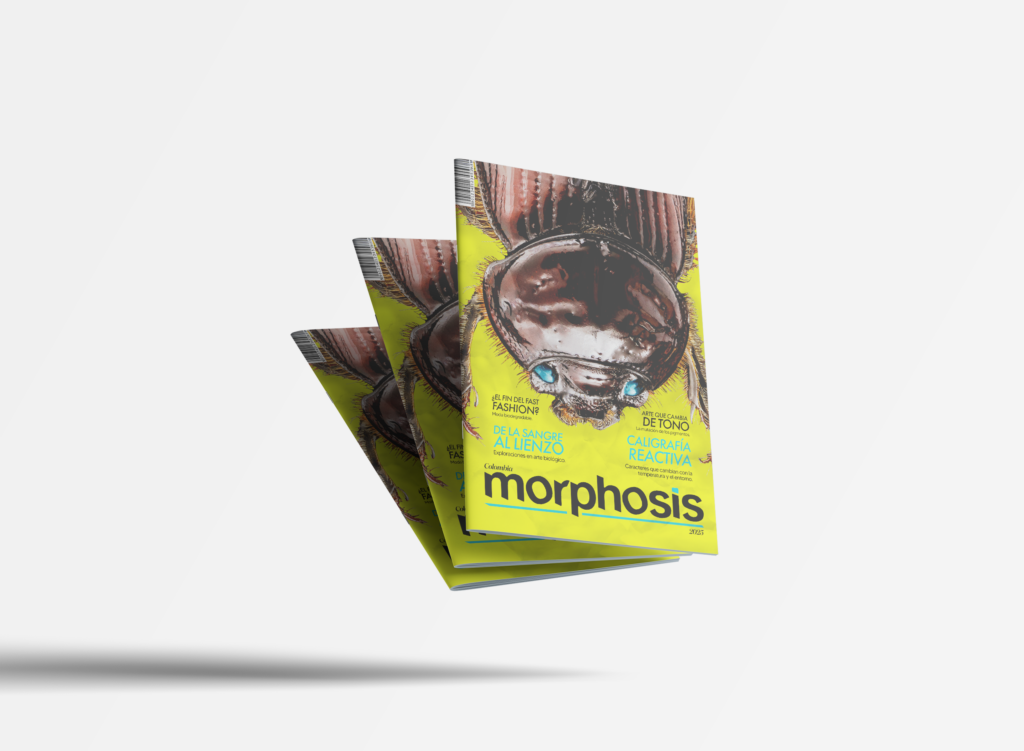
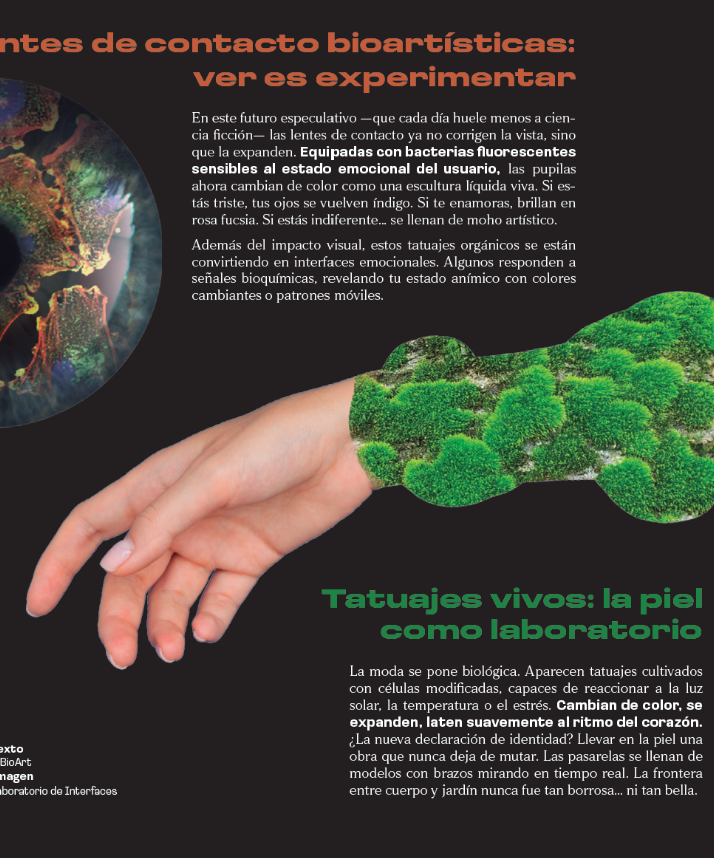
An editorial exploration of bioart and biodesign, where pigment, skin, and material become language.
Client
Self-Initiated Project
Services
Editorial Design
ARTIFACTS
The cultural fragments, references, and research that shape the soul of this world.
Reactive Calligraphy
Characters that shift and mutate with temperature and environment — type treated as a living organism rather than a fixed mark.
Pigment Mutation
The moment biological color stops being decoration and becomes data — a visual record of change.
Biodegradable Fashion
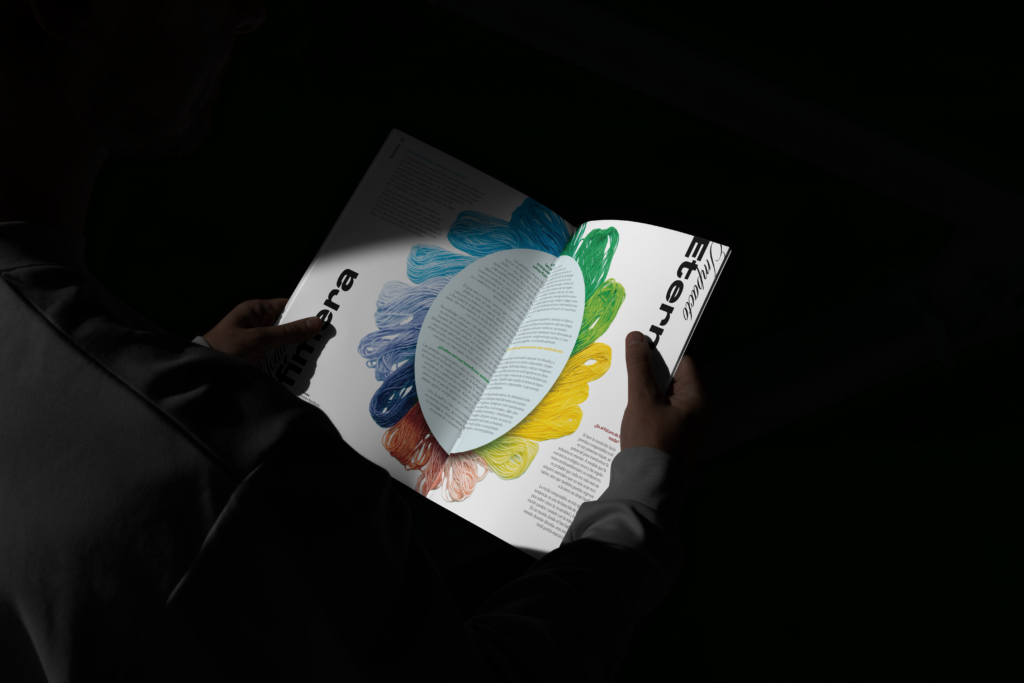
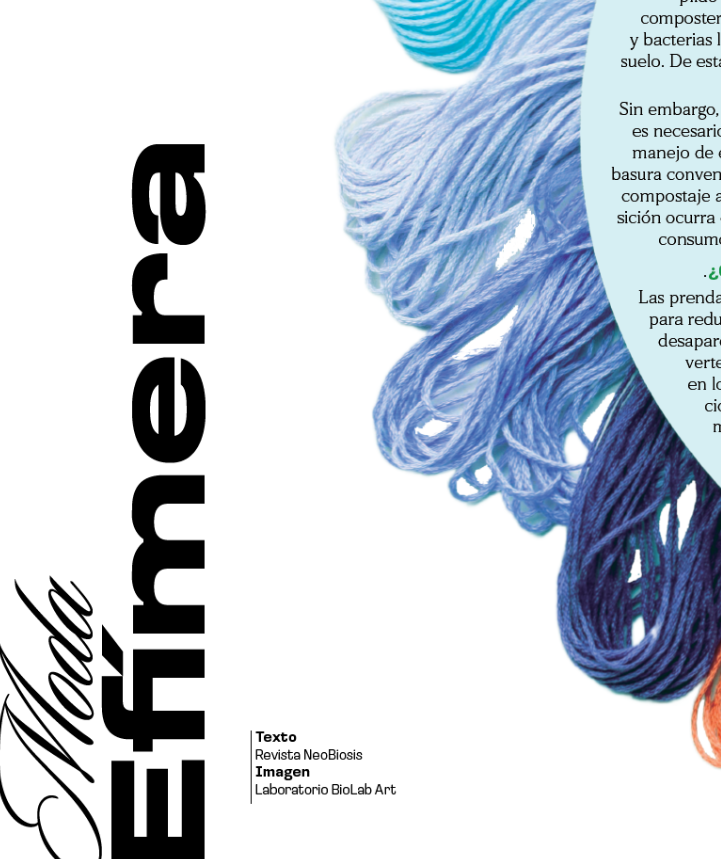
Material as narrative, not finish. What the body wears when the garment is designed to disappear.
WHAT IF EDITORIAL DESIGN DIDN'T ILLUSTRATE SCIENCE — BUT BEHAVED LIKE IT?
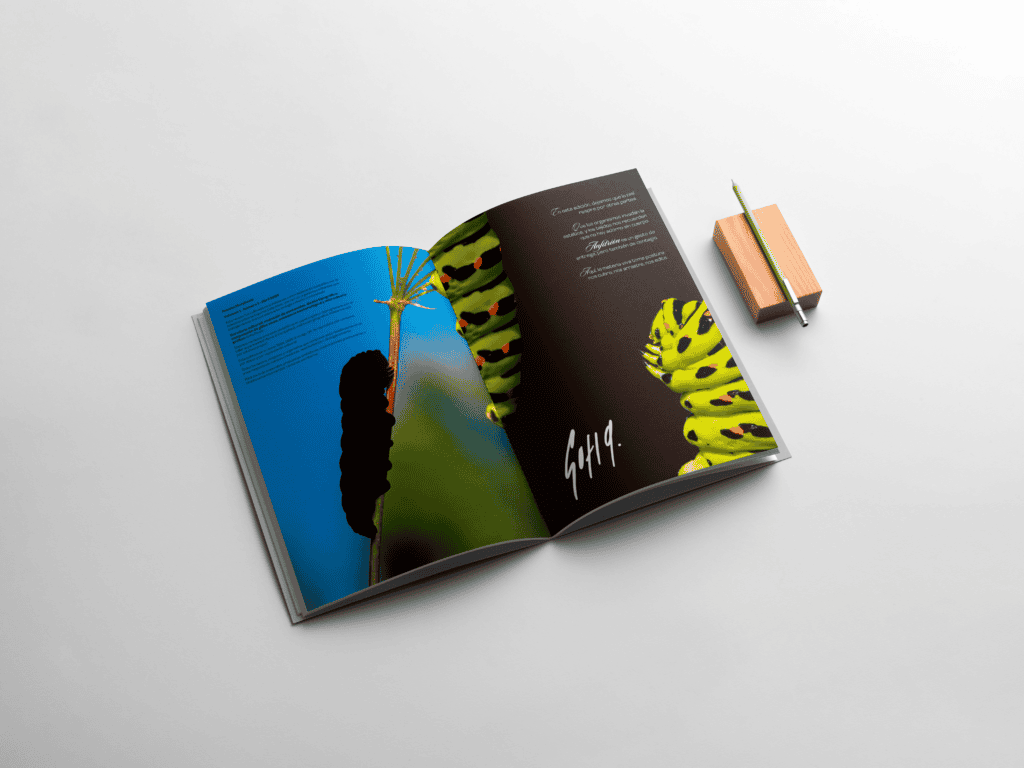
Morphosis lives in the space between science and aesthetics — where pigment, skin, and fiber stop being subject matter and become material itself. Typography grows, mutates, and decays across its pages the same way the organisms it documents do. Every spread treats biology not as a topic to explain, but as a language to design in.
Set against a dark, organic palette and macro photography of tissue and pigment, the magazine asks readers to sit with discomfort as a form of beauty — the same way bioart does.
DESIGN DECISIONS
The cultural fragments, references, and research that shape the soul of this world.
Morphosis came together as an exercise in restraint as much as creativity—every decision made to serve a single idea rather than to decorate it. The result is a self-contained editorial world: cohesive from cover to close, built entirely around the tension between science and aesthetics that inspired it from the start.
What started as a concept became a finished object—32 pages that hold together not because every part matches, but because every part was considered.
MORPHOSIS
An editorial exploration of bioart and biodesign, where pigment, skin, and material become language.
Client
Self-Initiated Project
Services
Editorial Design
ARTIFACTS
The cultural fragments, references, and research that shape the soul of this world.
Reactive Calligraphy
Characters that shift and mutate with temperature and environment — type treated as a living organism rather than a fixed mark.
Pigment Mutation
The moment biological color stops being decoration and becomes data — a visual record of change.
Biodegradable Fashion
Material as narrative, not finish. What the body wears when the garment is designed to disappear.
WHAT IF EDITORIAL DESIGN DIDN'T ILLUSTRATE SCIENCE — BUT BEHAVED LIKE IT?
Morphosis lives in the space between science and aesthetics — where pigment, skin, and fiber stop being subject matter and become material itself. Typography grows, mutates, and decays across its pages the same way the organisms it documents do. Every spread treats biology not as a topic to explain, but as a language to design in.
Set against a dark, organic palette and macro photography of tissue and pigment, the magazine asks readers to sit with discomfort as a form of beauty — the same way bioart does.
DESIGN DECISIONS
The cultural fragments, references, and research that shape the soul of this world.
Morphosis came together as an exercise in restraint as much as creativity—every decision made to serve a single idea rather than to decorate it. The result is a self-contained editorial world: cohesive from cover to close, built entirely around the tension between science and aesthetics that inspired it from the start.
What started as a concept became a finished object—32 pages that hold together not because every part matches, but because every part was considered.